Free Tools
NIHSS Calculator (NIH Stroke Scale)
Score each of the 15 NIH Stroke Scale items to get the NIHSS total from 0 to 42 and the stroke severity range. The total updates as you go, and you can copy an item-by-item result for the chart.
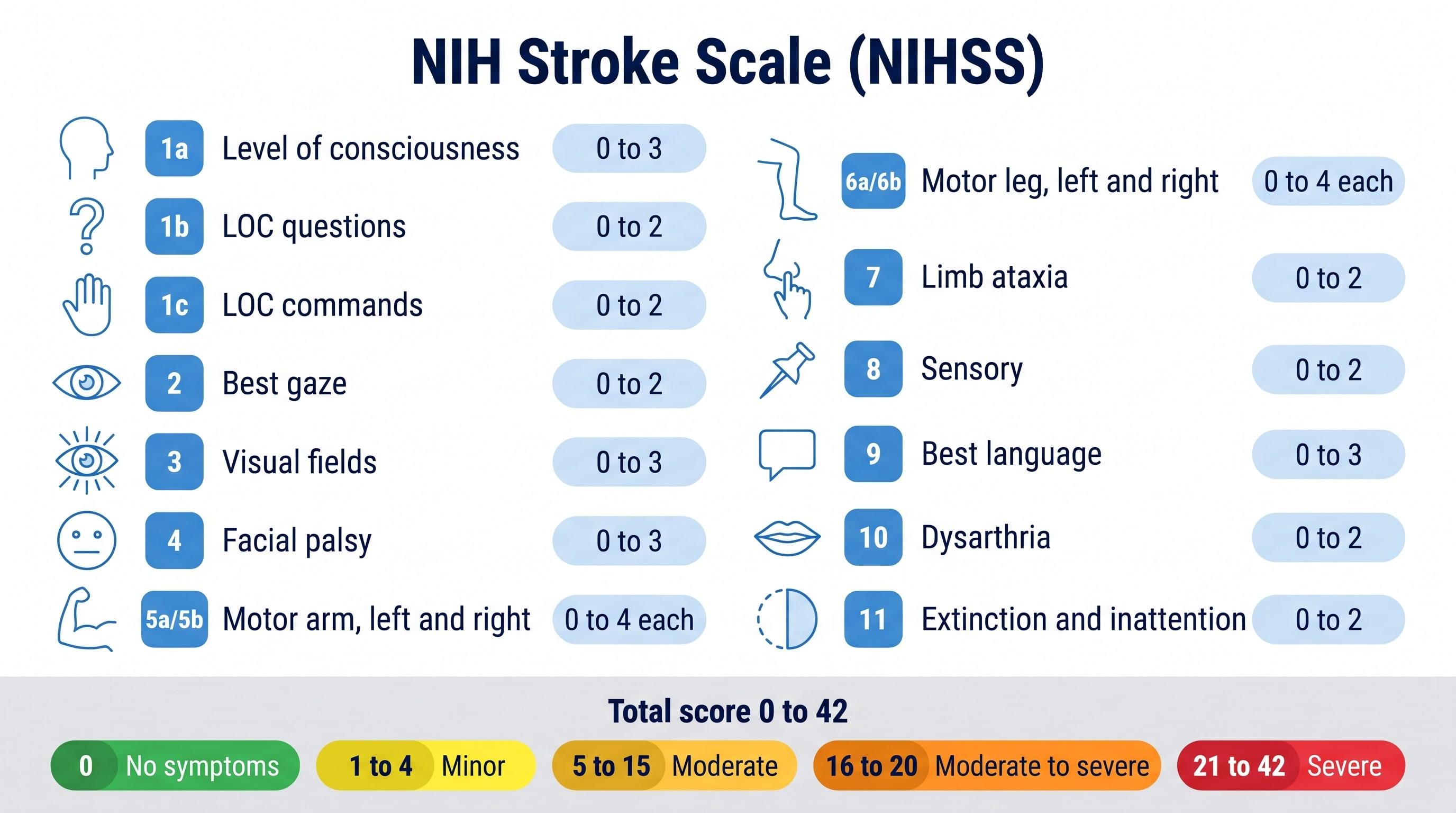
The 15 NIHSS items
The NIH Stroke Scale was developed in the 1980s for stroke research and is now the standard way to describe stroke severity in emergency departments and stroke units. It is quick to perform, takes about five to ten minutes, and is repeated over time to track change.
| Item | What is tested | Score |
|---|---|---|
| 1a | Level of consciousness | 0 to 3 |
| 1b | LOC questions: the month and the patient's age | 0 to 2 |
| 1c | LOC commands: open and close the eyes, grip and release the hand | 0 to 2 |
| 2 | Best gaze (horizontal eye movements) | 0 to 2 |
| 3 | Visual fields | 0 to 3 |
| 4 | Facial palsy | 0 to 3 |
| 5a, 5b | Motor arm, left and right (10-second drift test) | 0 to 4 each |
| 6a, 6b | Motor leg, left and right (5-second drift test) | 0 to 4 each |
| 7 | Limb ataxia (finger-nose and heel-shin tests) | 0 to 2 |
| 8 | Sensory (pinprick) | 0 to 2 |
| 9 | Best language (naming, reading, describing a picture) | 0 to 3 |
| 10 | Dysarthria (slurred speech) | 0 to 2 |
| 11 | Extinction and inattention (neglect) | 0 to 2 |
NIHSS score ranges
- 0
- No stroke symptoms
- 1 to 4
- Minor stroke
- 5 to 15
- Moderate stroke
- 16 to 20
- Moderate to severe stroke
- 21 to 42
- Severe stroke
Tips for scoring
- Score what the patient does, not what you think they could do, and do not coach.
- For the LOC questions (month and age), only the first answer counts.
- Test the arms and legs one at a time, counting out loud for the 10 or 5 seconds.
- Score ataxia only when it is out of proportion to weakness; a limb that cannot move scores 0.
- Mark untestable items (UN) and write down why; they do not count toward the total.
- Repeat the scale after treatment and whenever the patient seems to change.
Who uses it
- Emergency physicians, neurologists, nurses, and paramedics
- Score a suspected stroke quickly and copy a clean result, such as "NIHSS 8" with the item breakdown, into the record.
- Medical malpractice and personal injury attorneys
- Read the NIHSS entries in stroke records and see how the score changed between EMS, triage, imaging, and treatment when reviewing a delayed diagnosis claim, then follow the outcome on the modified Rankin scale.
- Students and educators
- Practice scoring item by item, alongside the Glasgow Coma Scale calculator.
Illustrate a stroke case
Natomy turns CT and MRI views, reports, and prompts into clear, labeled medical illustrations of ischemic and hemorrhagic strokes, for patient education and medical-legal exhibits. To look at the scans themselves, open them in the free 3D DICOM viewer.
Try Natomy TodayFAQ
What is the NIH Stroke Scale (NIHSS)?+
The NIH Stroke Scale is a standard 15-item bedside exam that measures how much neurological deficit a stroke has caused. It scores consciousness, eye movements, vision, facial movement, arm and leg strength, coordination, sensation, language, speech, and neglect. The total runs from 0 (no measurable deficit) to 42.
What do NIHSS scores mean?+
A commonly used guide is 0 for no stroke symptoms, 1 to 4 for a minor stroke, 5 to 15 for a moderate stroke, 16 to 20 for a moderate to severe stroke, and 21 to 42 for a severe stroke. Higher scores are linked to larger strokes and worse outcomes, but the score is one part of the assessment, not the whole picture.
How is the NIHSS total calculated?+
Each item is scored on its own short scale and the scores are added. Score what the patient actually does without coaching; for the LOC questions only the first answer counts. Items marked untestable (UN), such as a motor item in an amputated limb or dysarthria in an intubated patient, are not added to the total.
What is the highest and lowest NIHSS score?+
The lowest score is 0 and the highest is 42. In practice, a patient in a coma gets a high score across most items but some items cannot reach their maximum together, so very high totals are rare.
Why does the NIHSS matter for treatment?+
Stroke teams record the NIHSS on arrival and repeat it to track change. The score helps describe stroke severity when deciding on treatments such as clot-dissolving medicine or clot removal, and a rising score can be an early sign that the stroke is getting worse.
Does a low NIHSS rule out a stroke?+
No. The scale weights arm, leg, and language problems heavily and can miss strokes in the back of the brain that cause dizziness, unsteady walking, or trouble swallowing. A patient can have a disabling stroke with a low score.
Why do lawyers look at NIHSS scores?+
In medical malpractice cases involving stroke, the NIHSS scores recorded by EMS, in the emergency department, and over the following hours help show when symptoms started, how severe they were, and whether they worsened while waiting for imaging or treatment. Delayed diagnosis of stroke is a common claim, and the timeline of scores is often central to it.
Based on the NIH Stroke Scale from the US National Institutes of Health (National Institute of Neurological Disorders and Stroke), which is in the public domain. Item descriptions on this page are plain-language summaries; formal scoring should follow the official NIHSS instructions and training. For education and documentation only; not a substitute for clinical assessment.
Related free tools
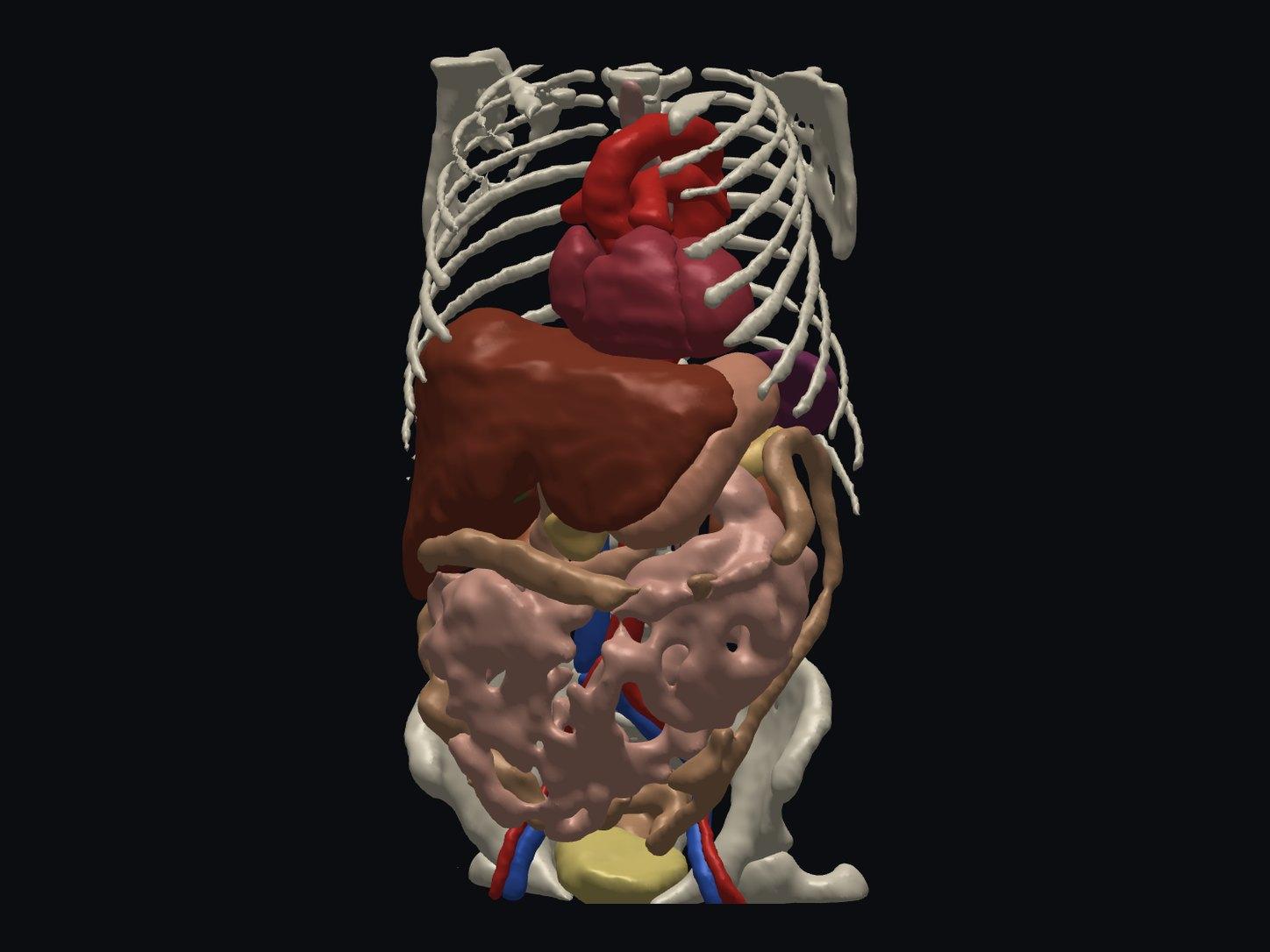
Free Online DICOM Viewer (3D)
Open a CT or MRI DICOM folder in your browser and view it in 3D, with AI anatomy labeling. Nothing is uploaded.
Try it free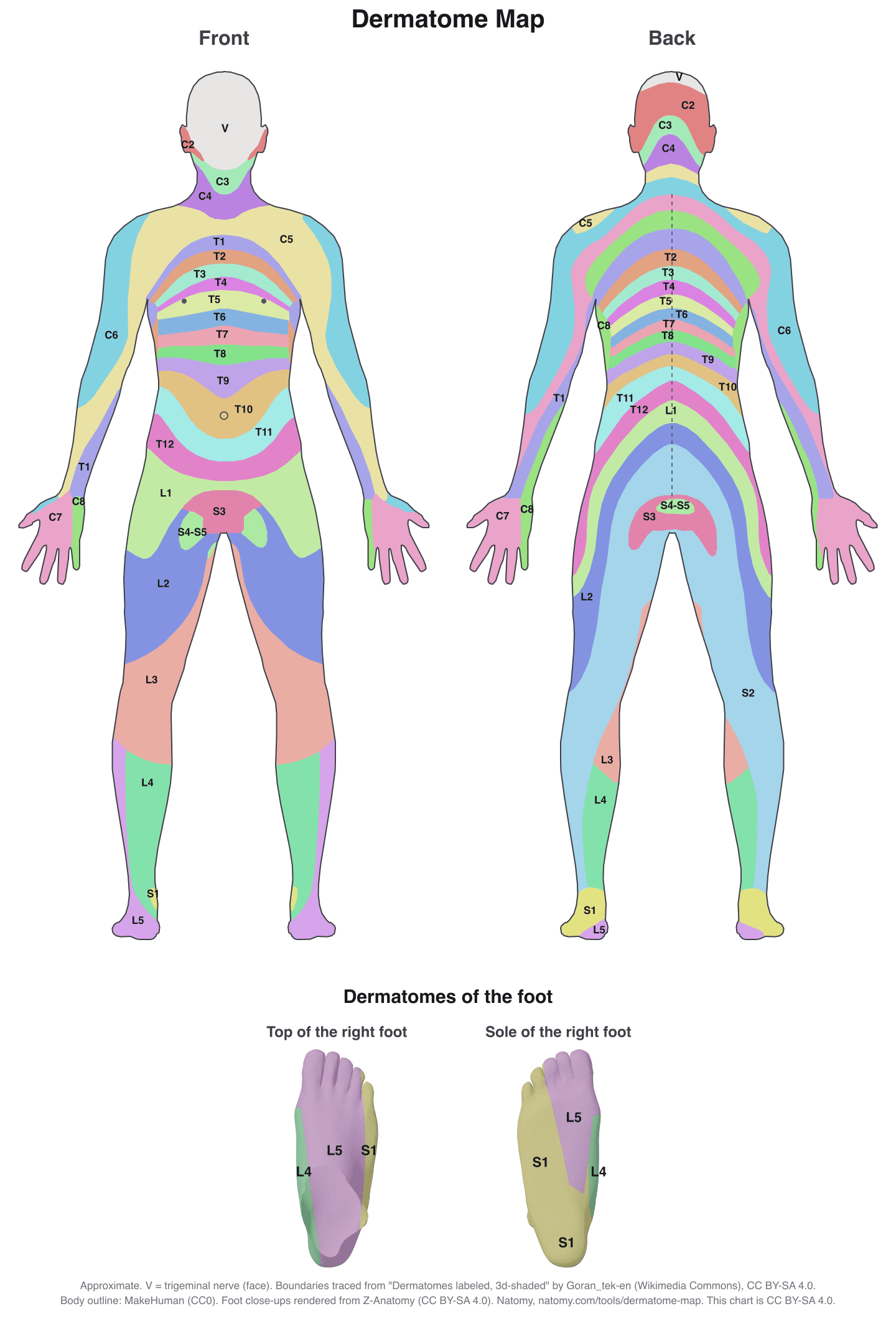
Interactive Dermatome Map
Tap the body to see each nerve root's skin area, test point, myotome, reflex, and disc level. Free printable chart.
Try it free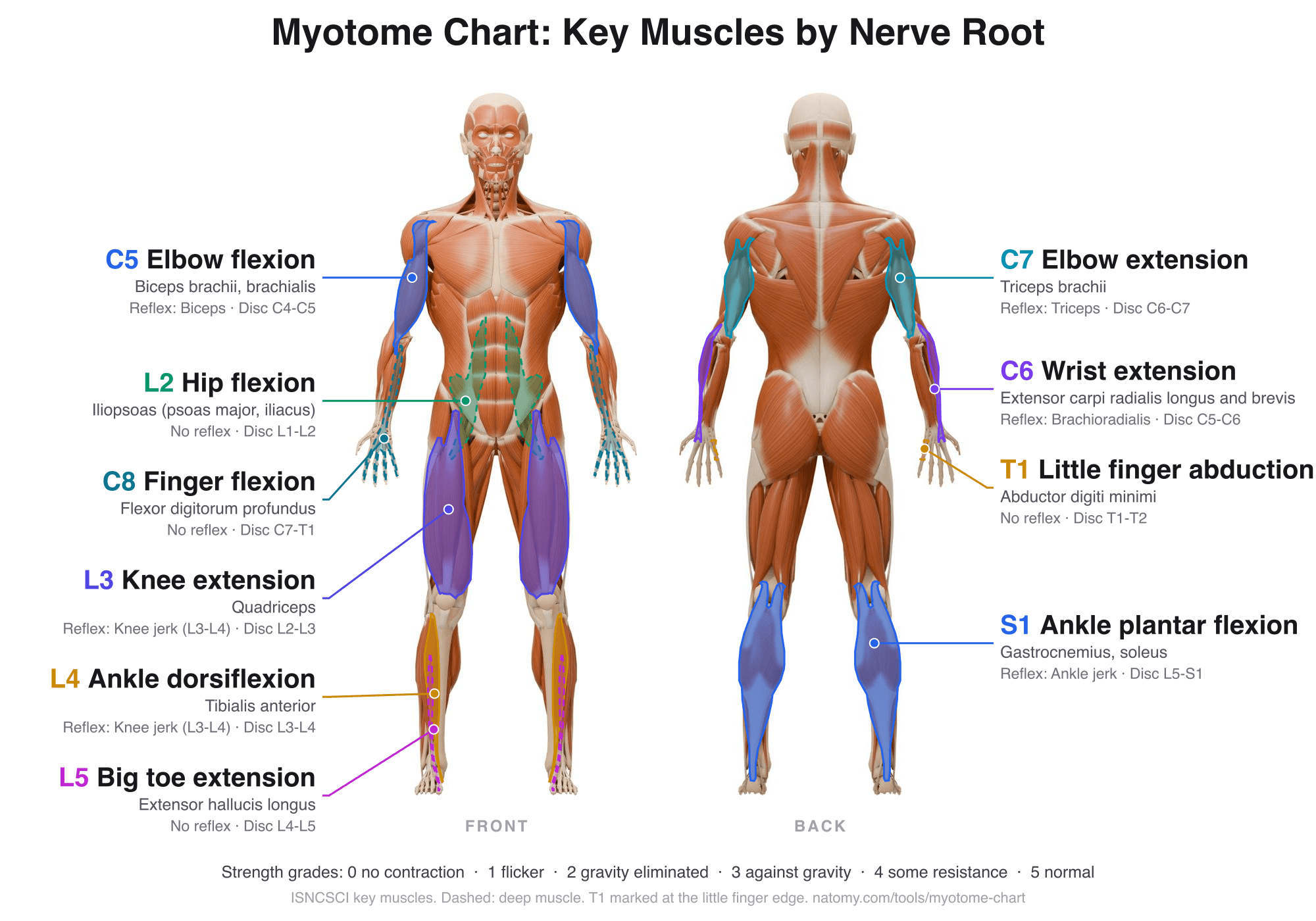
Myotome Chart and Motor Score
Tap a nerve root to see its key muscle, test position, and reflex. Grade strength 0 to 5 for the ISNCSCI motor score.
Try it free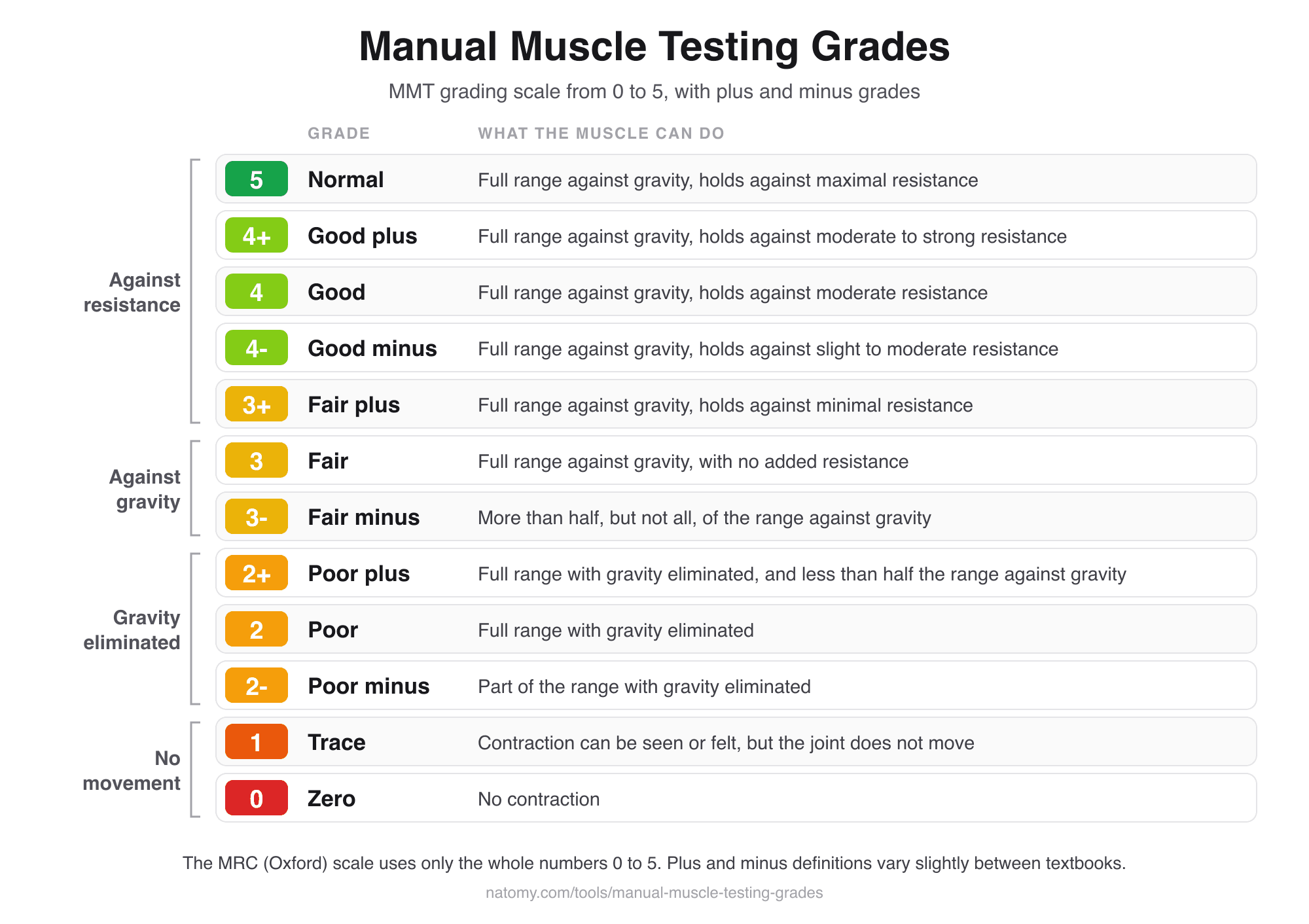
Manual Muscle Testing Grades
MMT grading scale chart from 0 to 5 with plus and minus grades, and a grade finder that writes the note for you.
Try it free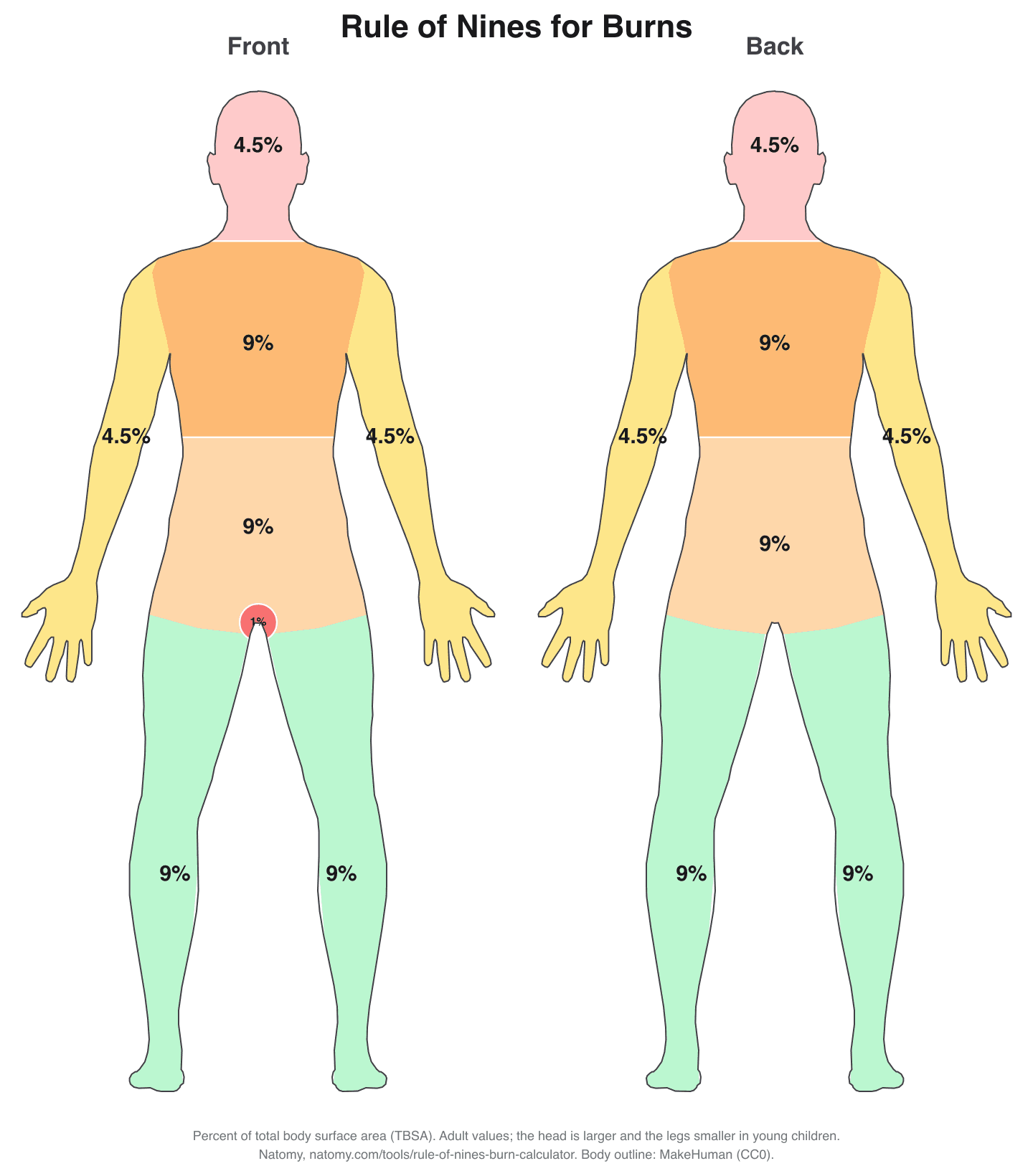
Rule of Nines Burn Calculator
Click the burned areas to get the total body surface area (TBSA), with the Parkland formula and a printable burn chart.
Try it free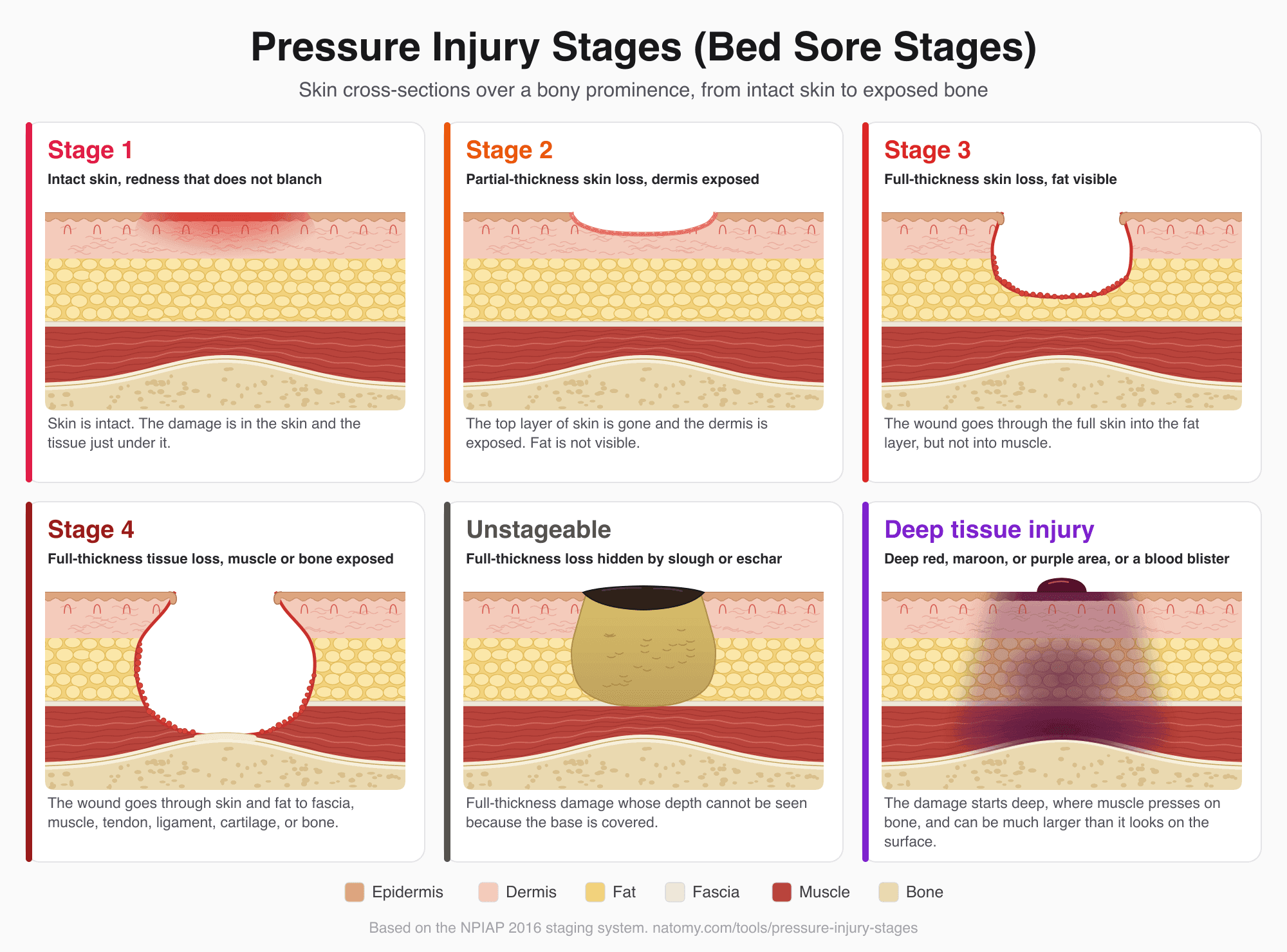
Pressure Injury (Bed Sore) Stages
Illustrated pressure ulcer stages chart, Stage 1 to 4, unstageable, and deep tissue injury, with a stage finder and wound note.
Try it free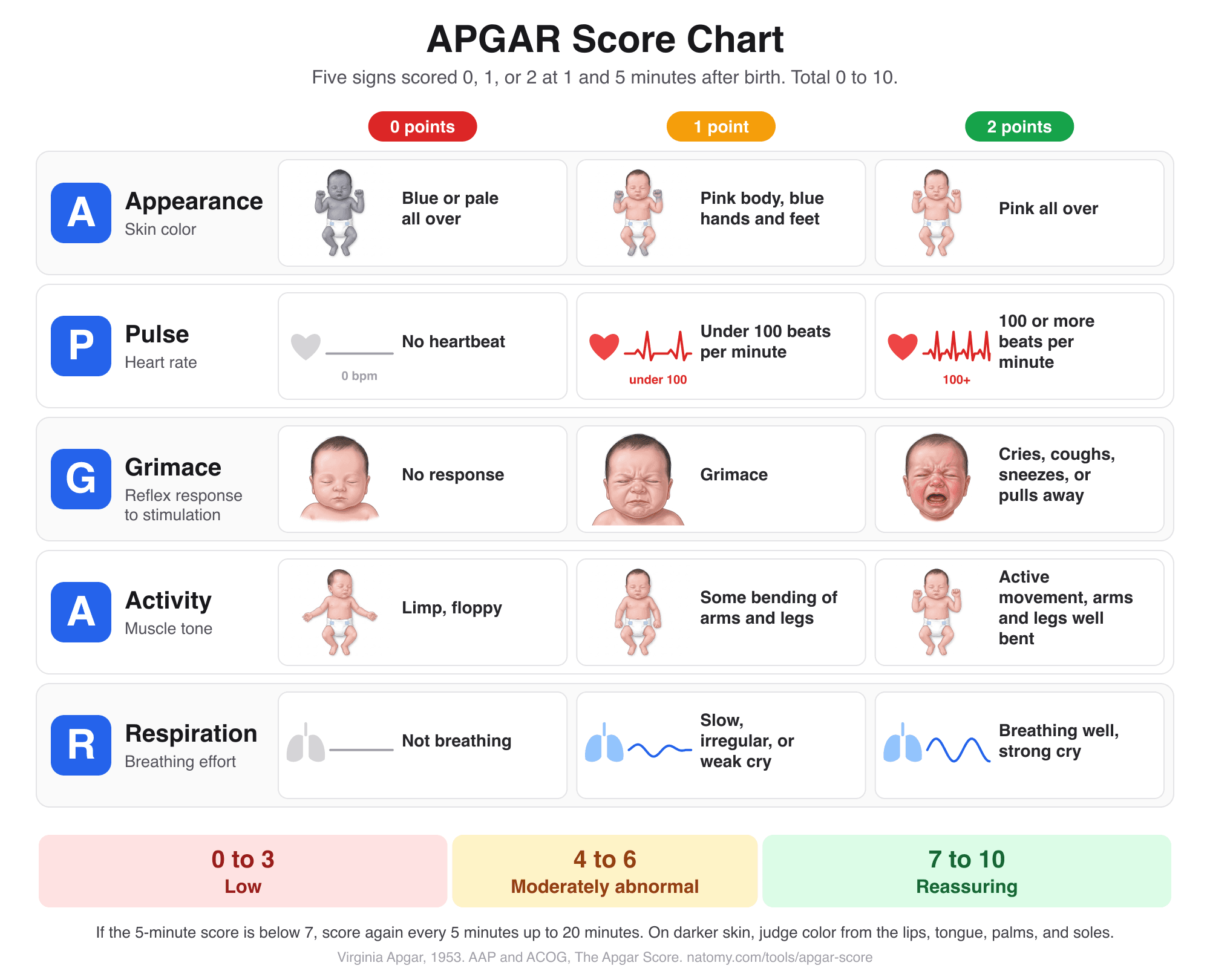
APGAR Score Chart and Calculator
Score the 5 newborn signs at 1, 5, and 10 minutes with an illustrated chart, what normal and low scores mean, and a note for the record.
Try it free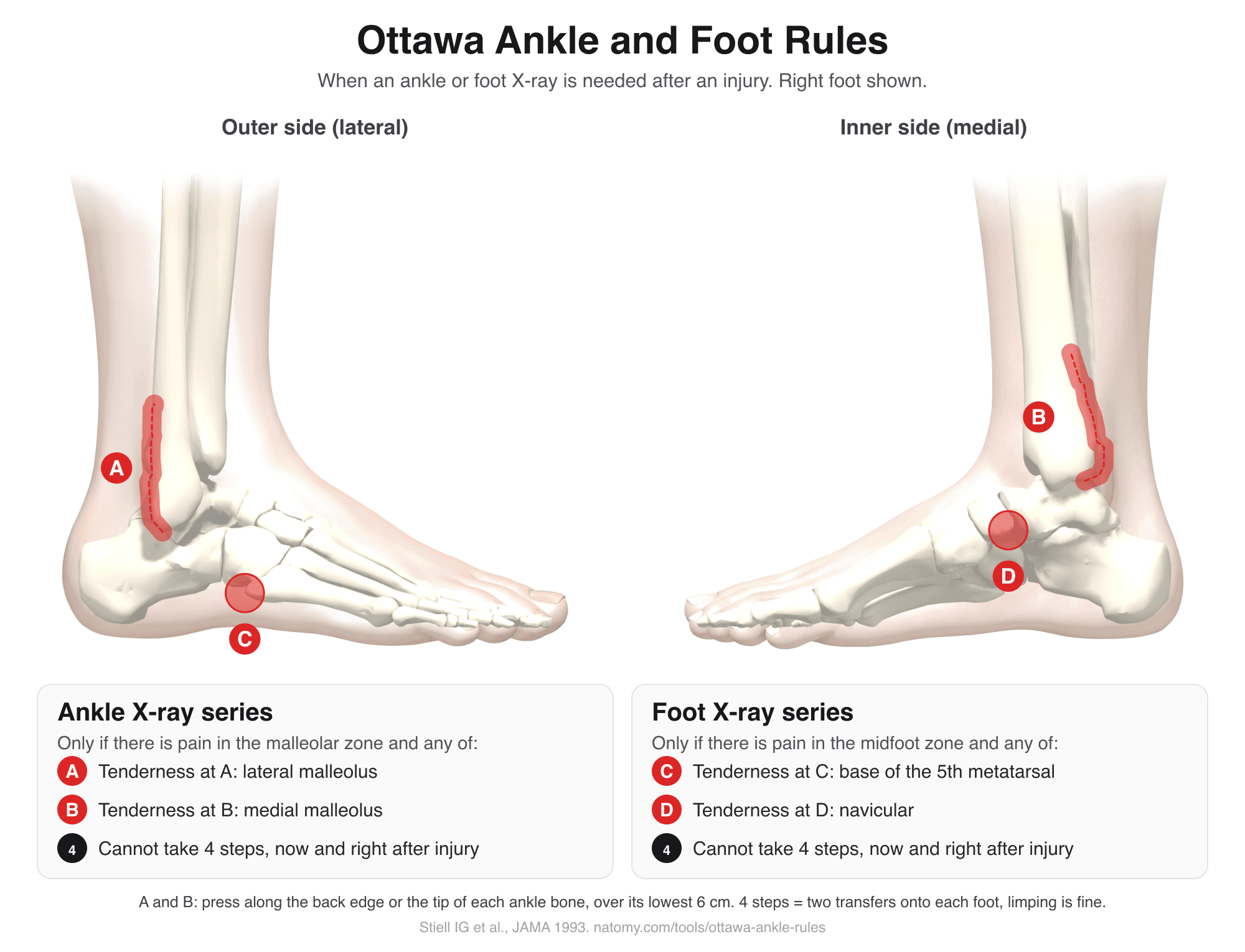
Ottawa Ankle Rules
Tap the tender spots on an illustrated ankle and foot to see if the Ottawa rules call for an X-ray. Includes the Ottawa knee rule.
Try it free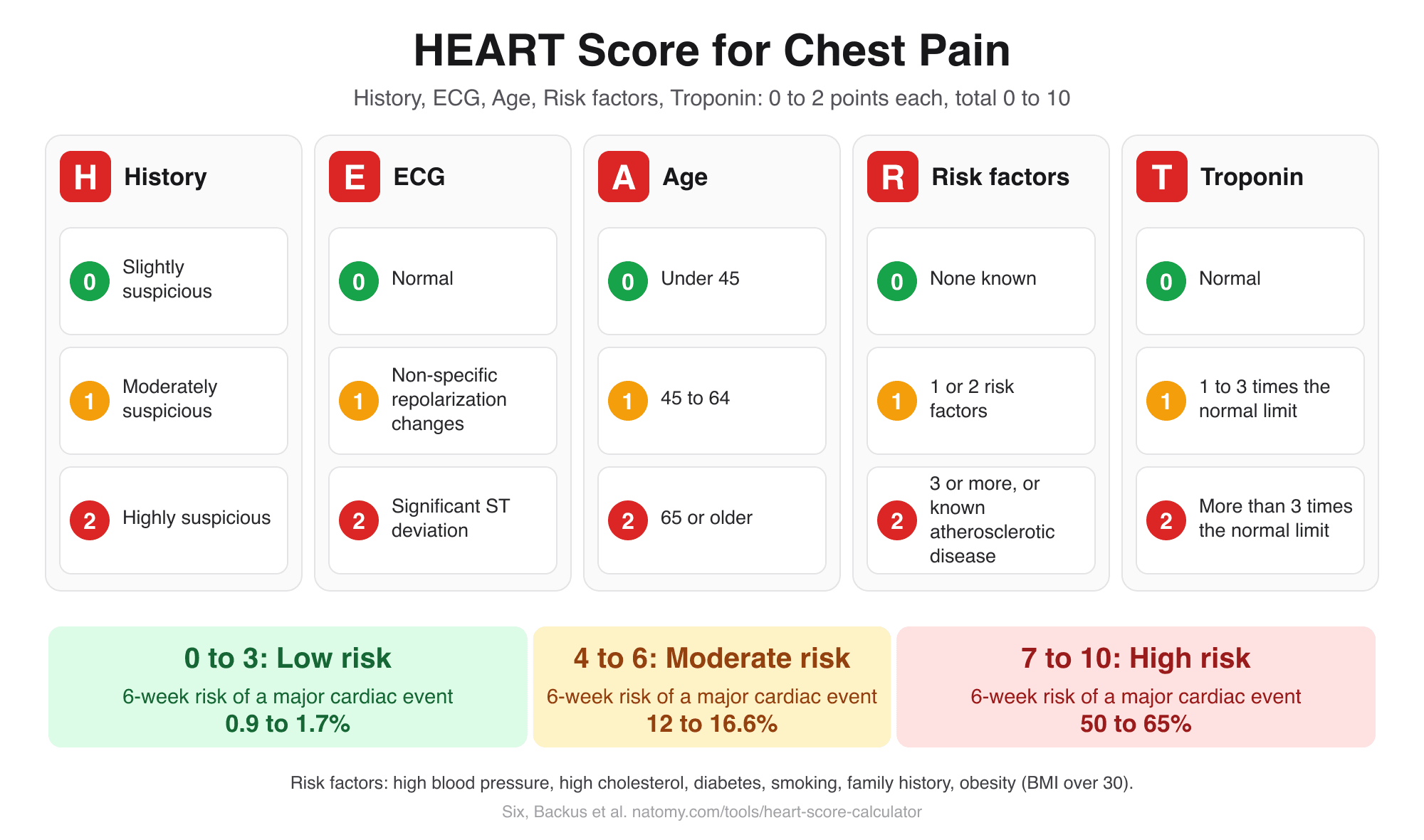
HEART Score Calculator
Score history, ECG, age, risk factors, and troponin for chest pain to get the HEART score, risk group, and 6-week MACE risk.
Try it free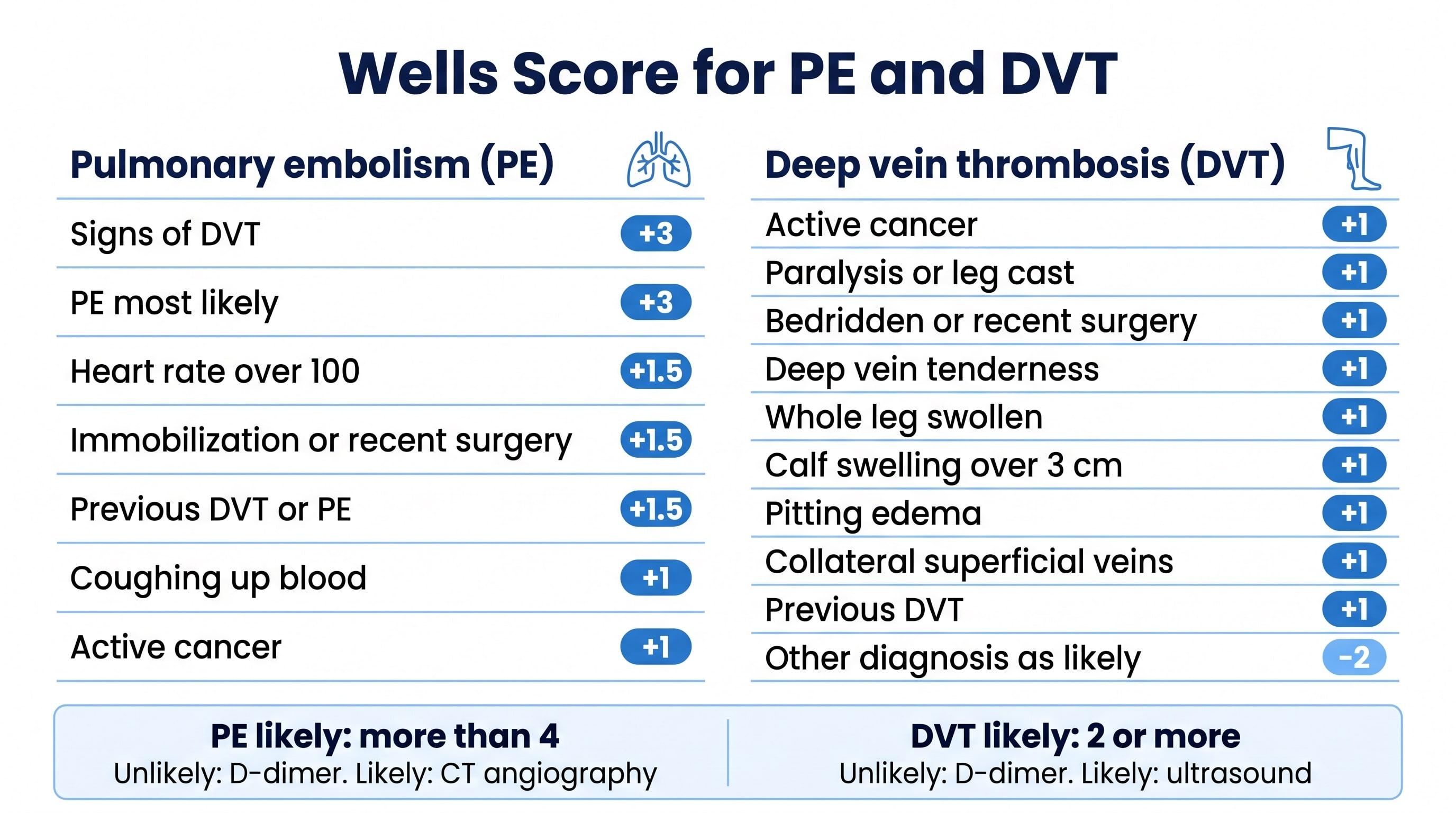
Wells Score Calculator (PE and DVT)
Check the Wells criteria for pulmonary embolism or deep vein thrombosis to get the score, the risk group, and the next test.
Try it free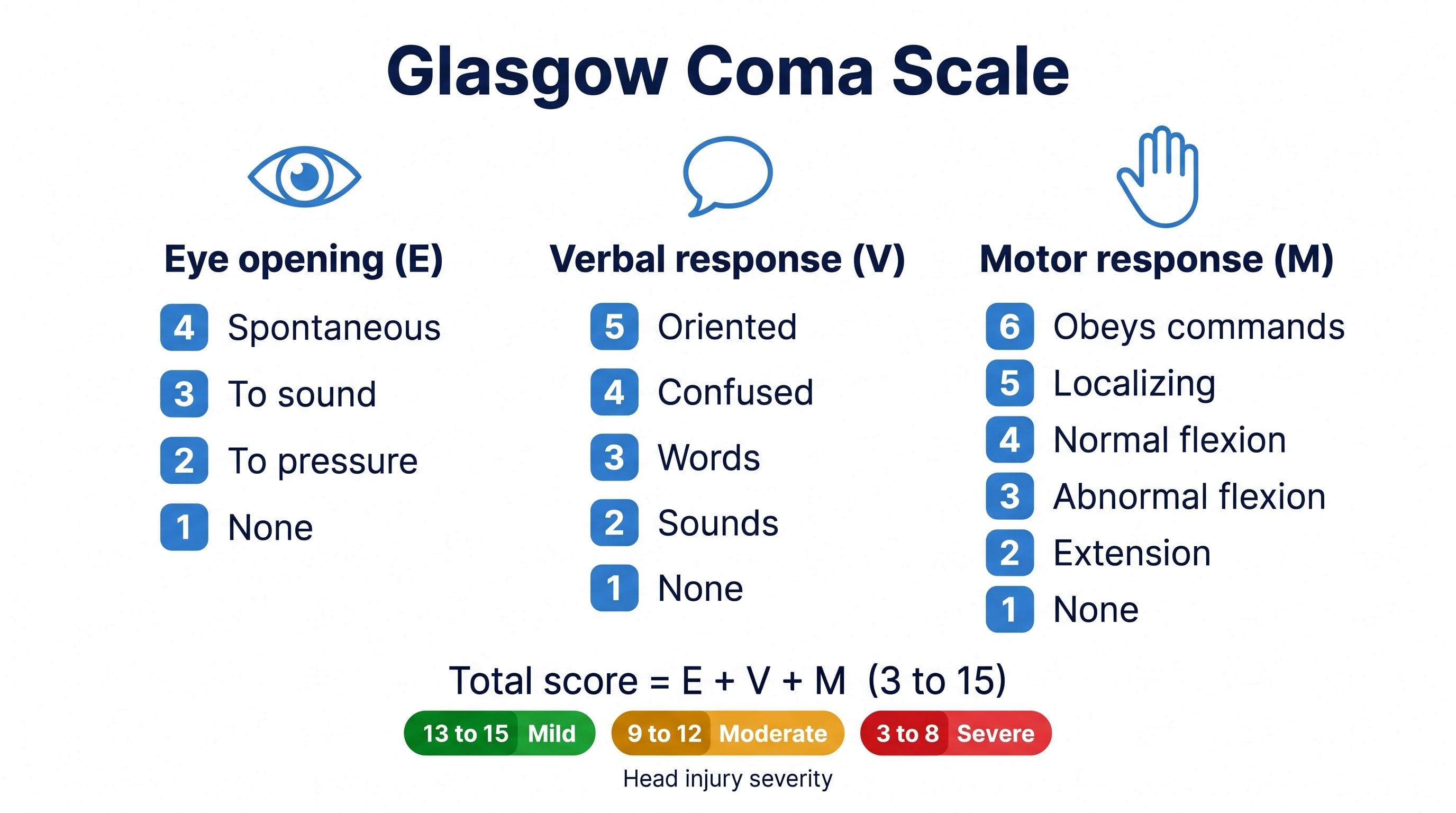
Glasgow Coma Scale Calculator
Score eye, verbal, and motor responses to get the GCS total, E V M code, severity range, and GCS-P.
Try it free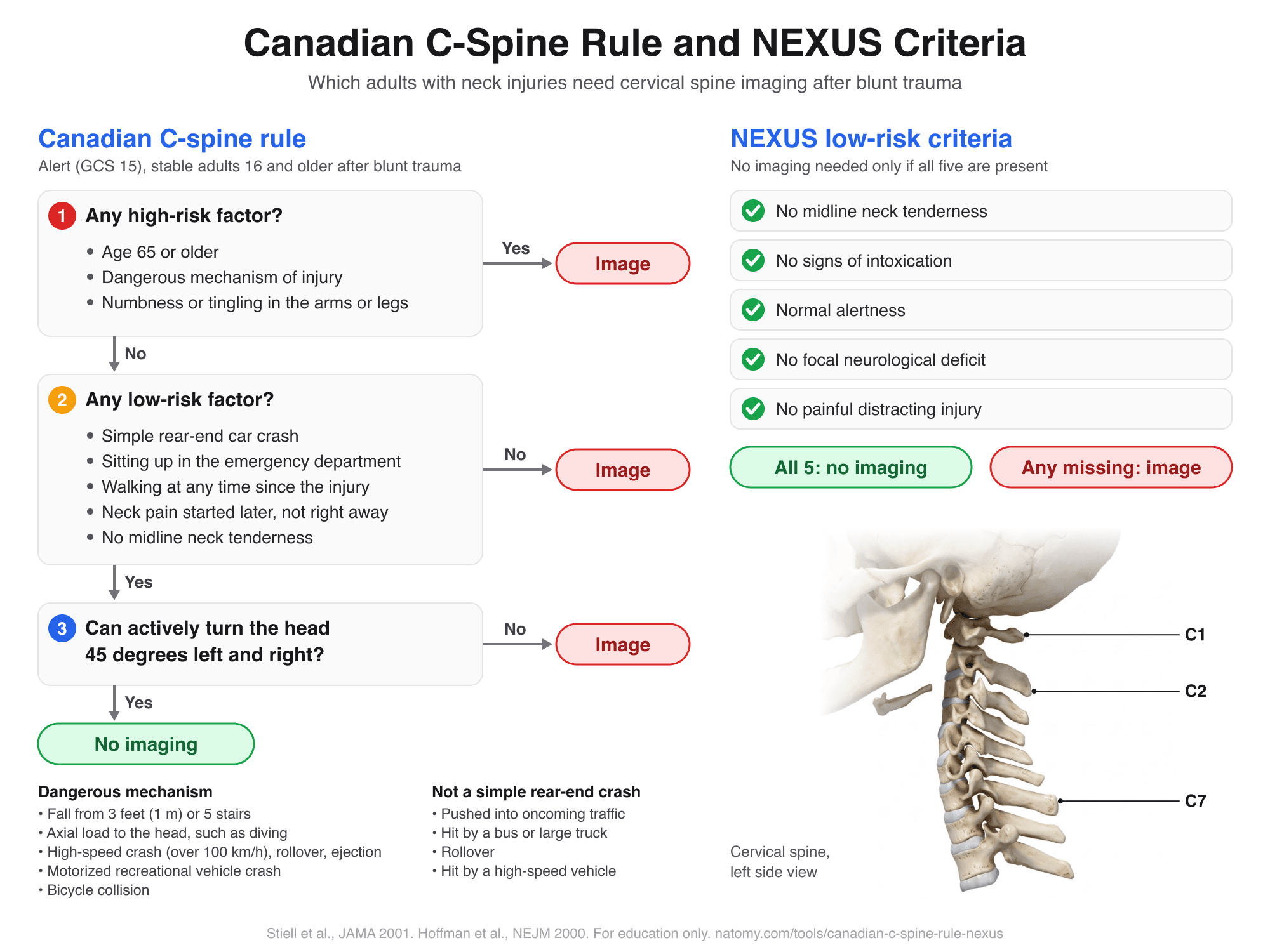
Canadian C-Spine Rule and NEXUS
Run the Canadian C-spine rule or the NEXUS criteria step by step to see which adults need neck imaging after trauma.
Try it free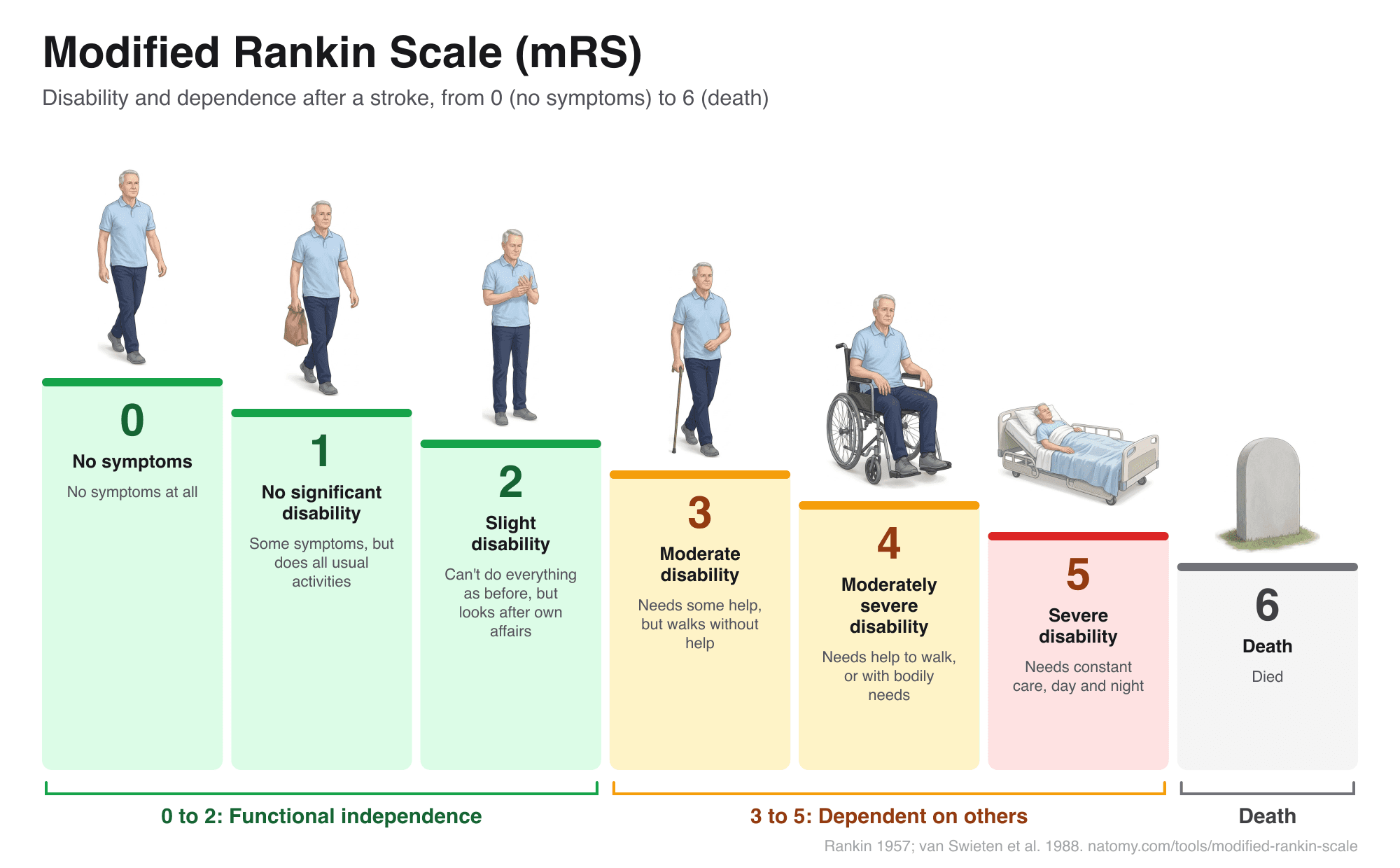
Modified Rankin Scale (mRS)
Illustrated mRS chart from 0 to 6 with a question-based score finder, what each grade means after a stroke, and a copyable note.
Try it free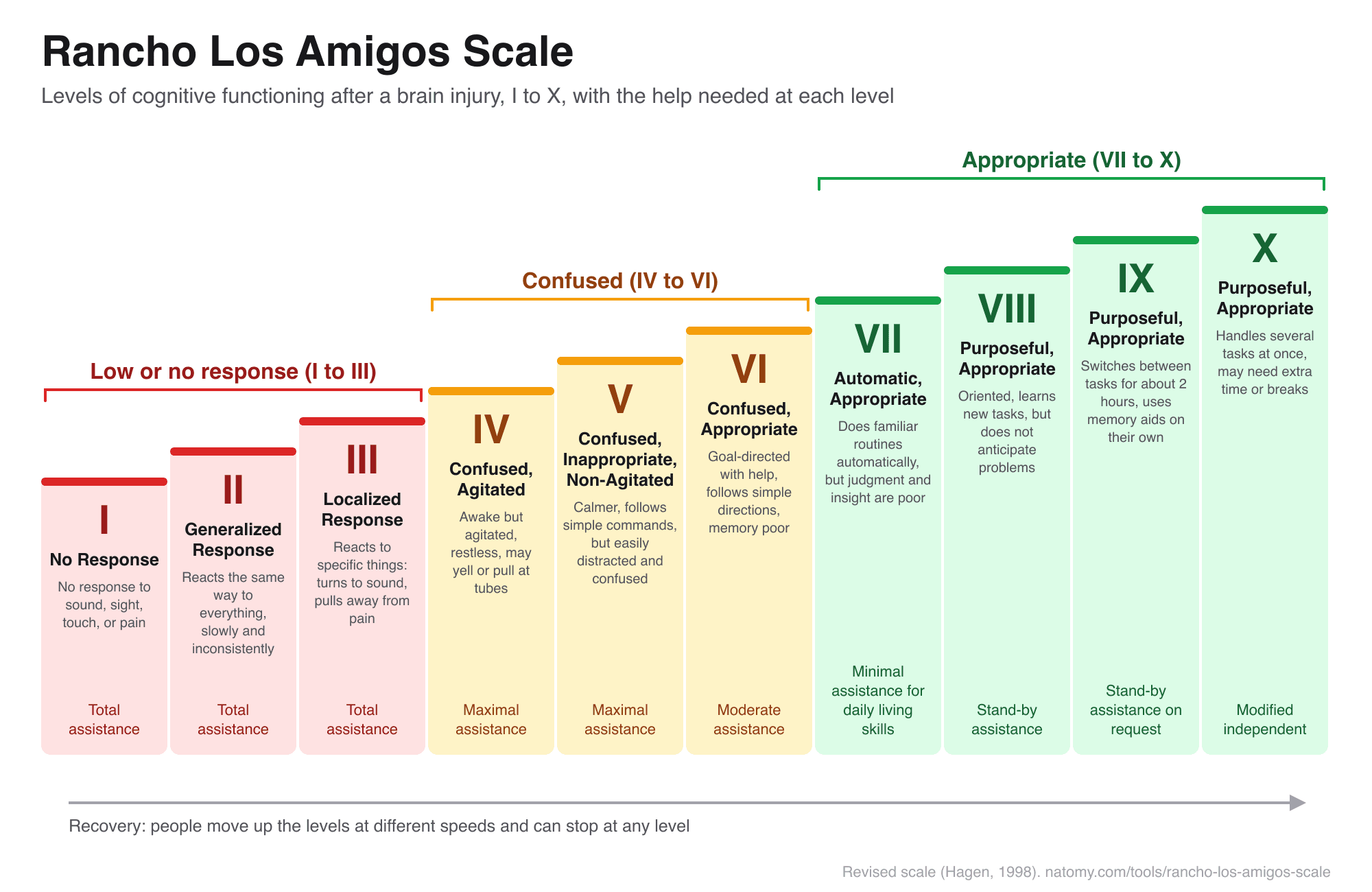
Rancho Los Amigos Scale
The 10 levels of cognitive functioning after a brain injury, with a level finder, what to expect, and how to help.
Try it free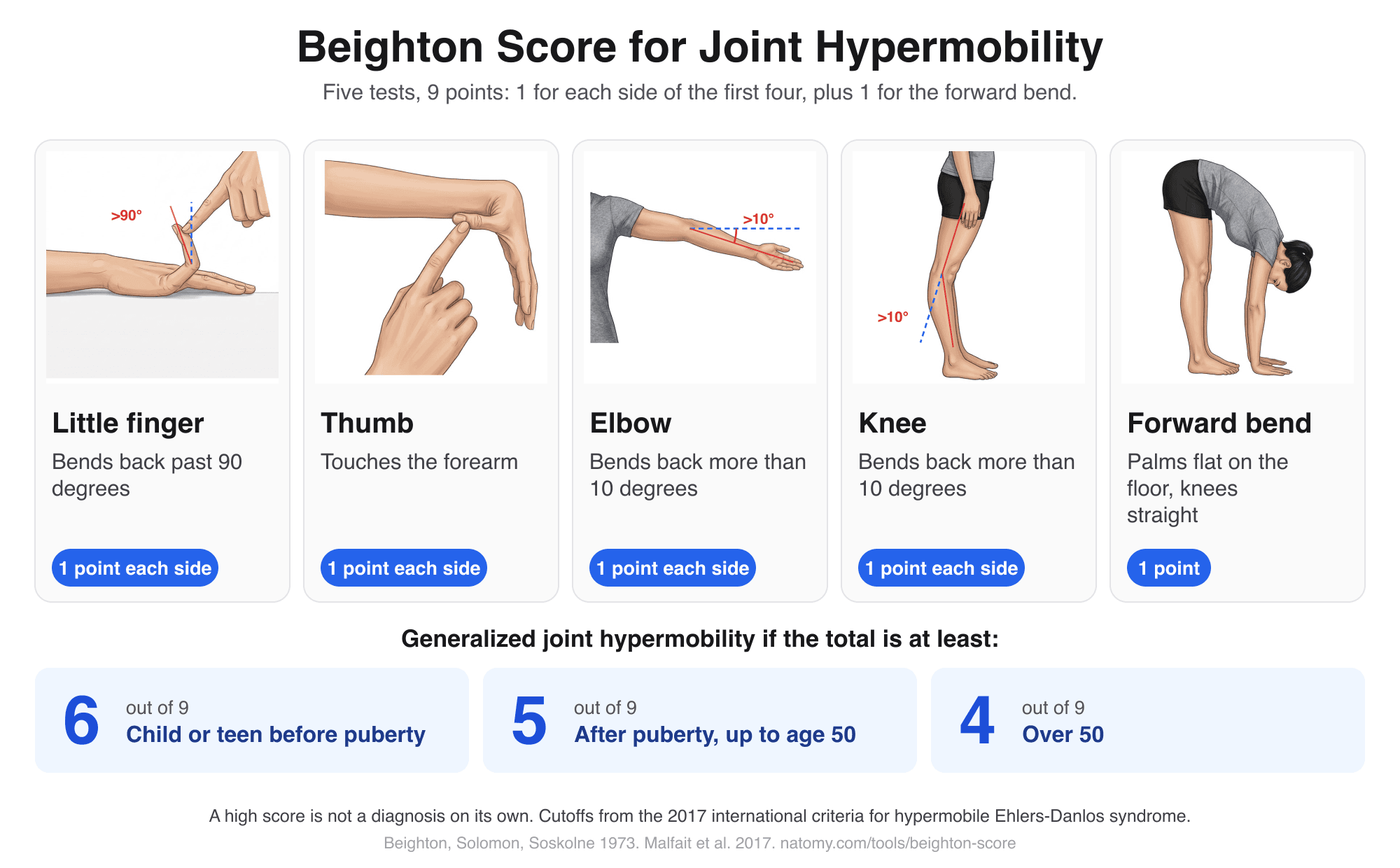
Beighton Score Calculator
Illustrated hypermobility test: score the 5 Beighton movements out of 9, compare with the age cutoff, and copy a note.
Try it free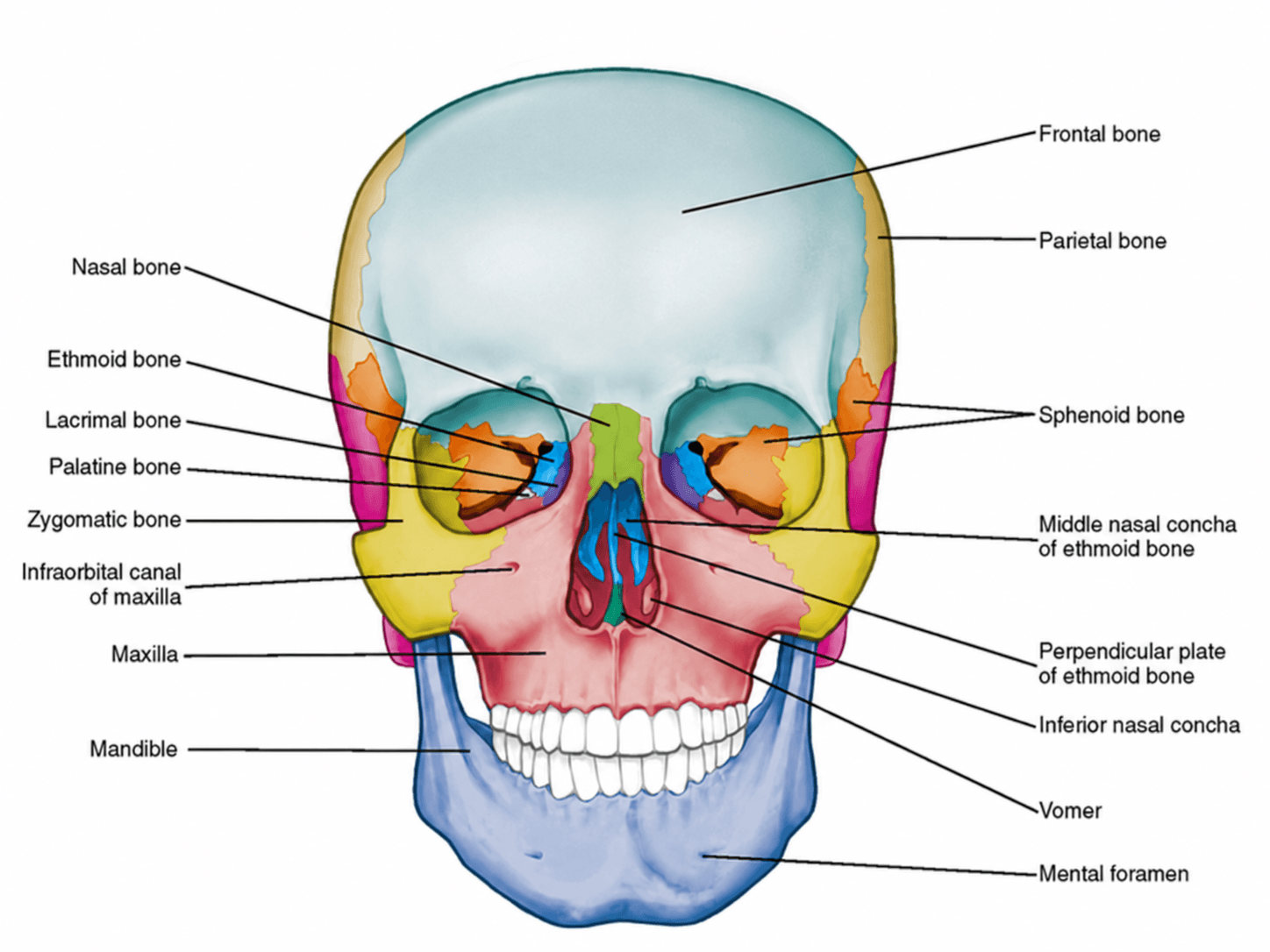
Anterior View of Skull Labeled
Free labeled and unlabeled anterior view of the skull, downloadable as PNG.
Try it free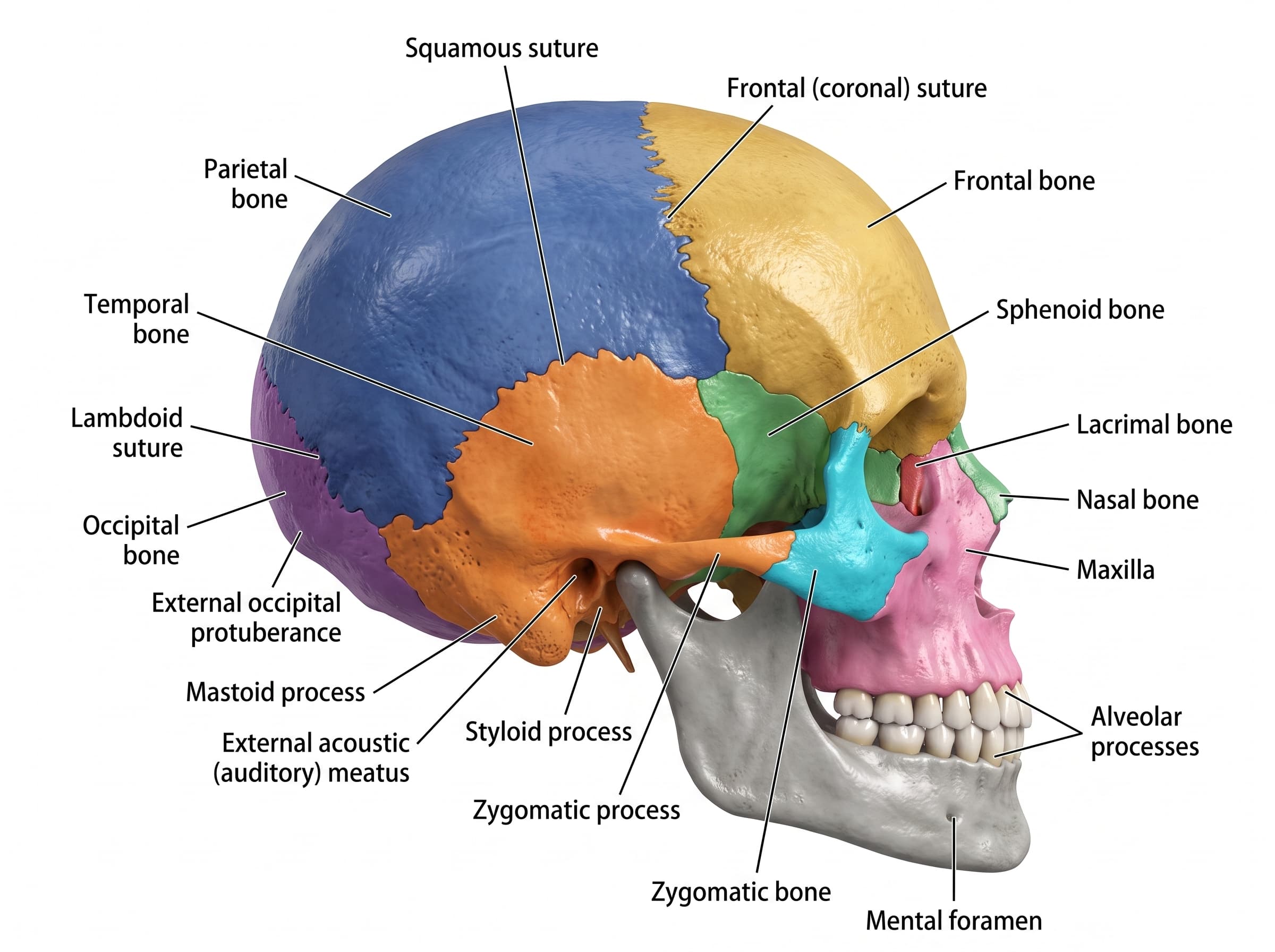
Lateral View of Skull Labeled
Free labeled and unlabeled lateral view of the skull, downloadable as PNG.
Try it free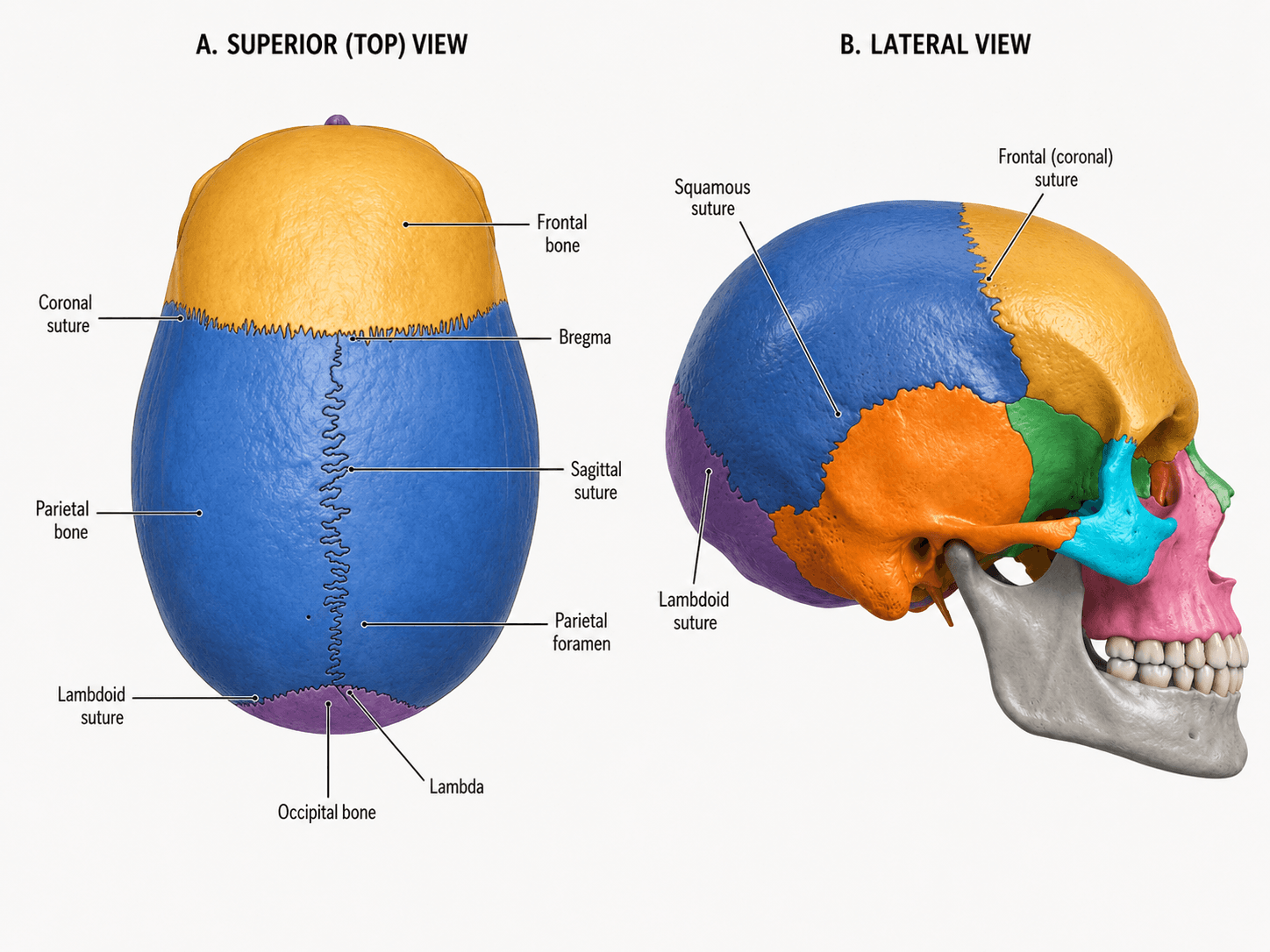
Skull Sutures Labeled
Free labeled and unlabeled skull sutures diagram, superior and lateral views, downloadable as PNG.
Try it free